
Development & Prototyping
ULTRALOC: Onboard Relative Localization for Robot Teams and Swarms
Let every robot in your fleet know exactly where the others are — without GNSS, motion capture or any external infrastructure.
Application
Multi-robot teams in various missions
Multi-robot teams are moving into various real-world missions: warehouse logistics, infrastructure inspection, search and rescue, agriculture and defense. Whether it is a convoy of robots in logistics or a group of mobile manipulators working side by side, every robot in the team needs to know where its teammates are — and who they are.
Today, most systems are centralized and rely on communication and GNSS, motion-capture rooms or ground stations to answer that question. These solutions break down exactly where robots are needed most: indoors, in tunnels, under forest canopy, in urban canyons, or anywhere satellite signals are jammed or unavailable. The main challenge is therefore clear — a reliable, infrastructure-independent relative localization that travels with the robots themselves.
Solution
Relative Localization system ULTRALOC
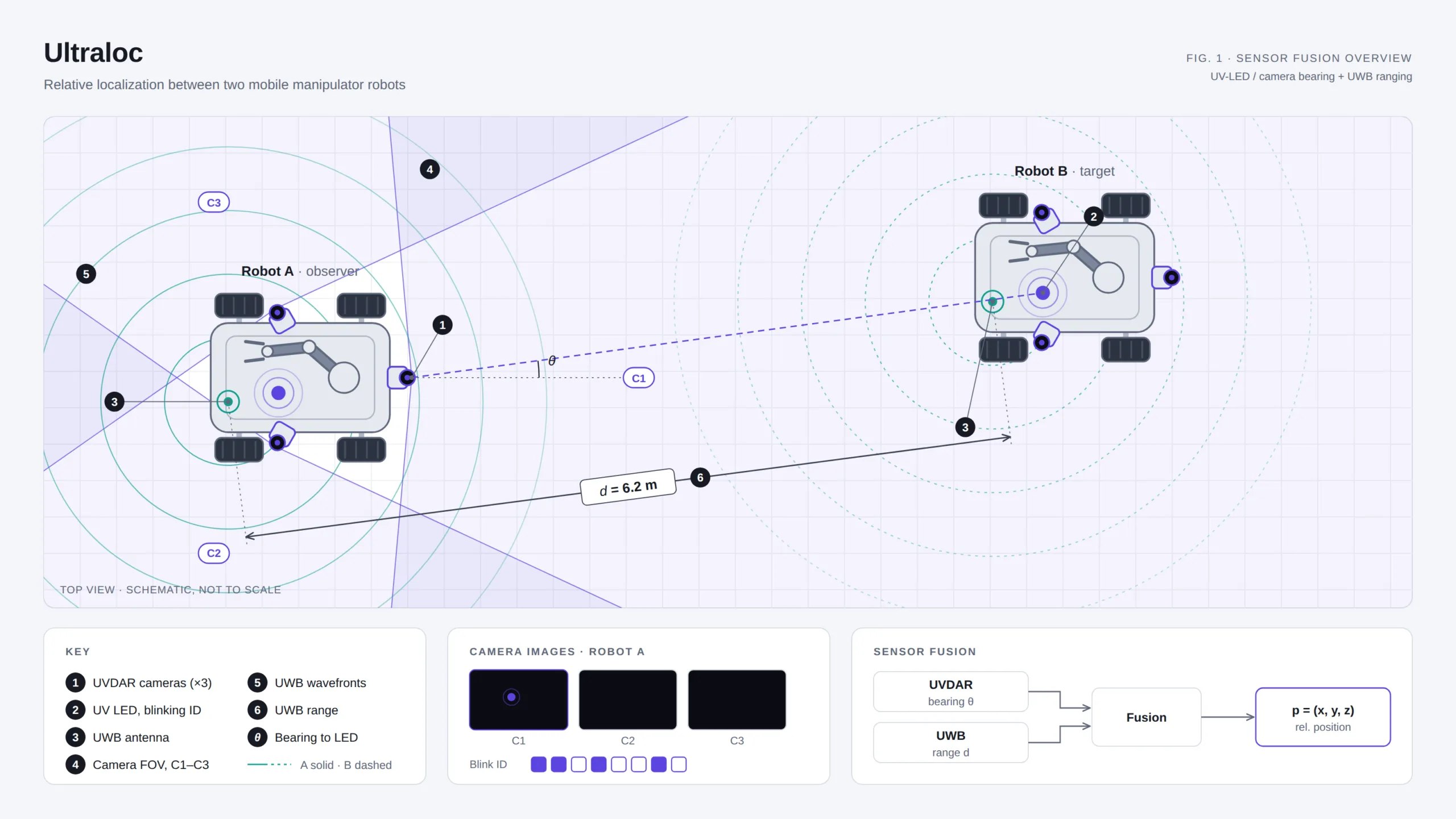
Fly4Future developed ULTRALOC, a fully onboard, peer-to-peer relative localization system that estimates the 3D position of nearby robots using only the sensors the vehicles carry. No GNSS, no motion capture, no ground stations — ULTRALOC works indoors, outdoors and in GNSS-denied environments alike.
The system combines two complementary measurements. Cameras with UV bandpass filters observe blinking UV LED markers on other vehicles and provide a precise bearing — the direction to each target. Ultra-wideband (UWB) radios measure the distance between vehicles by time of flight. A bearing alone lacks depth and a range alone lacks direction; together they fix a robust 3D relative position for every target in view.
Every vehicle carries a single ULTRALOC board that integrates the blinking UV LEDs and the UWB radio. This means each robot is simultaneously a target and an observer — swarms and multi-robot teams localize each other directly, without any central system. The output is a continuously updated list of nearby targets with their identity and relative position (x, y, z), ready for formation control, collision avoidance, docking or cooperative manipulation.
Features
Significant Features
Built-in identity and fast acquisition
ULTRALOC does not just detect “something nearby” — it knows who is who. Every target is identified by its unique blink pattern and UWB radio address, which is essential for formation control and task allocation. Blink patterns are chosen for maximum circular Hamming distance, so identification tolerates missed frames and unknown phase. A new target is identified in about a second.
Built for the real world
UV bandpass filtering, sun and reflection rejection and blink-pattern validation suppress false detections from sunlight, making ULTRALOC suitable for outdoor operation. Beacons can be placed on vehicles or on static ground points, so the same system serves as a landmark or docking reference.
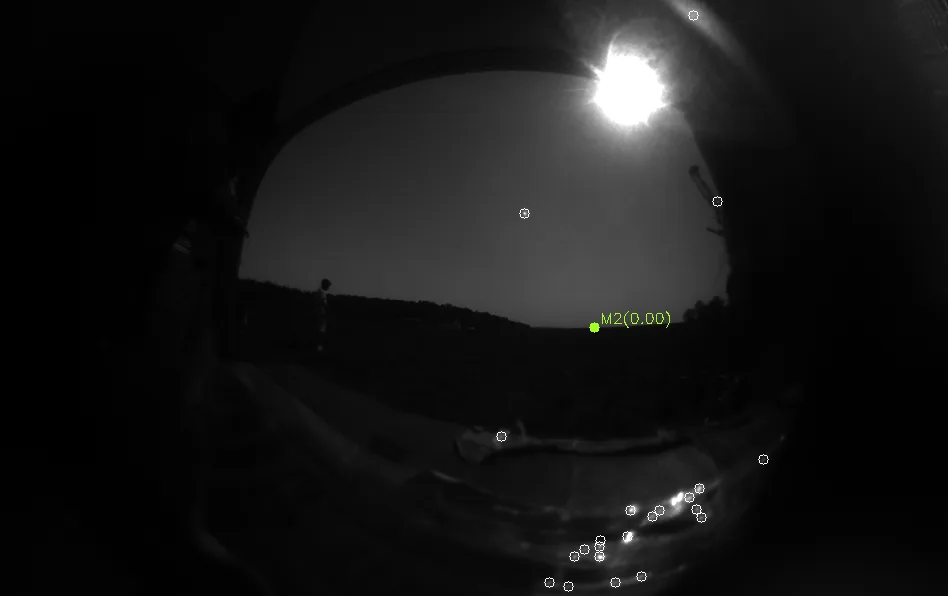
View from a fisheye camera in direct sunlight: the sun and reflections are rejected (white circles), while the ULTRALOC marker M2 is identified by its blink pattern (green).
Ready for your software stack
ULTRALOC ships as a ROS 2 stack with Docker-based reference deployments, so it drops straight into existing research and development pipelines. Blink patterns, blink rate, camera frame rate, output rate and camera layout are fully configurable — board configuration is as simple as editing a file on its virtual USB drive.
The pipeline is built on transparent, well-documented algorithms — FAST-style spot detection, per-track Kalman filters, Hungarian assignment, fisheye calibration and a 6-state UKF — making it straightforward to study, modify or benchmark.
Technical specifications
Start Using ULTRALOC in Your Robot Team
Whether you are building a fleet of ground robots or a team of mobile manipulators, ULTRALOC gives your vehicles the ability to see, identify and localize each other — anywhere, without external infrastructure. Save development time and resources by building on Fly4Future’s expertise in multi-robot systems and UVDAR technology.
Read about
Our Work
Dynamic Cognitive Mesh for Drone Communication
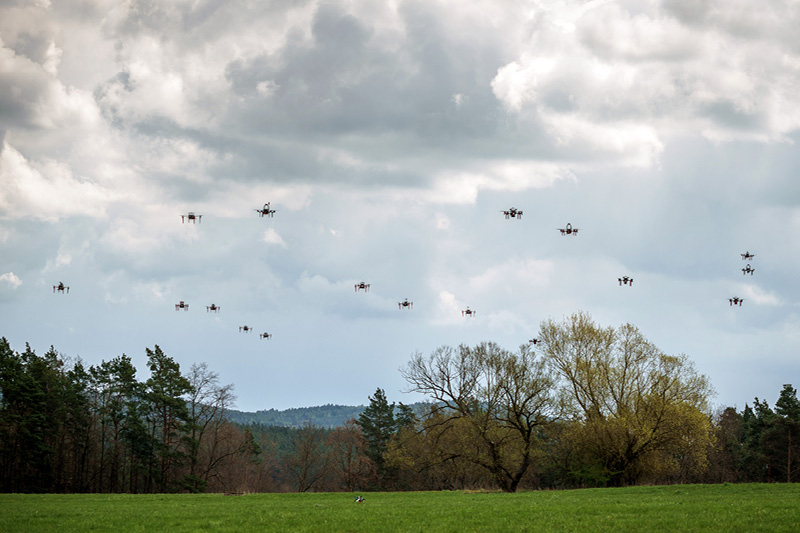
We have created a dynamic cognitive multi-modal mesh for ad-hoc communication within extensive heterogeneous teams of multiple robots.
Autonomous Drones for Surveillance and Reconnaissance
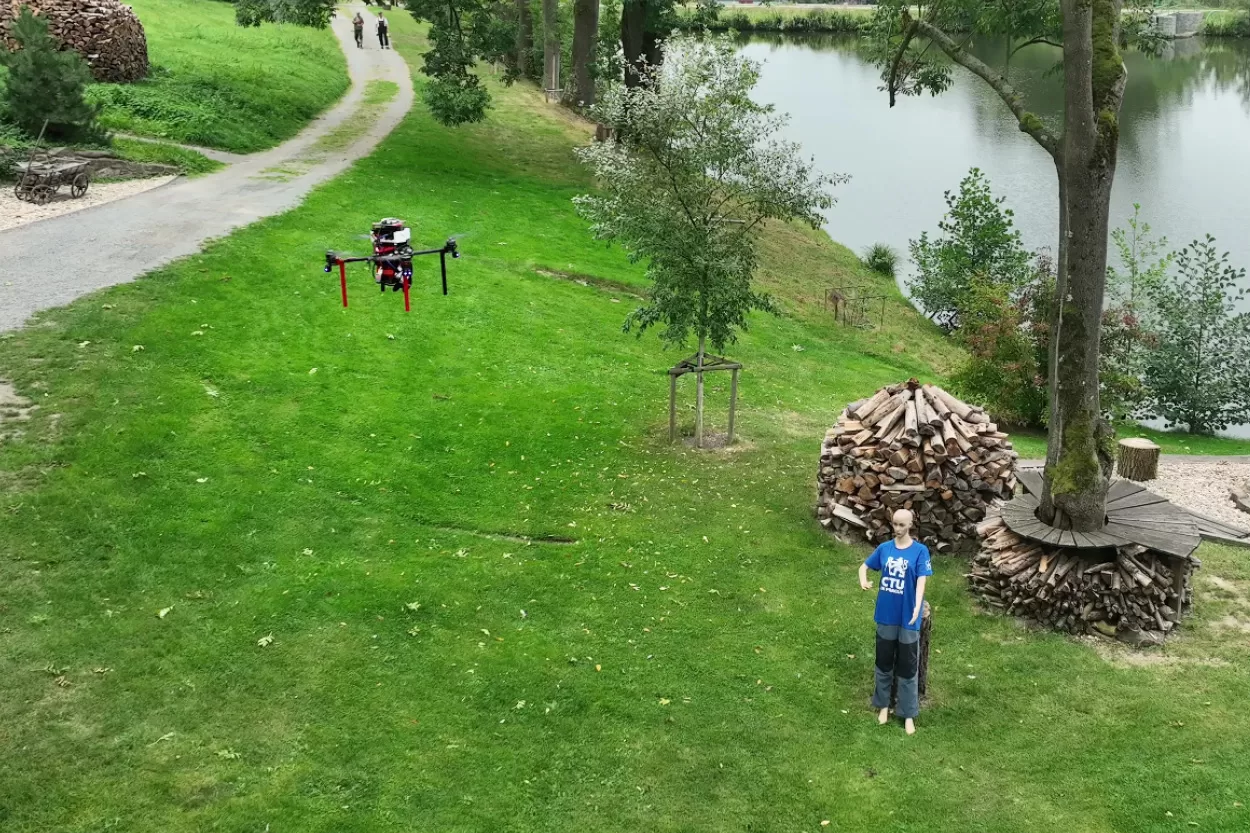
A unique solution for camera surveillance system integrated into collaborating autonomous drones.
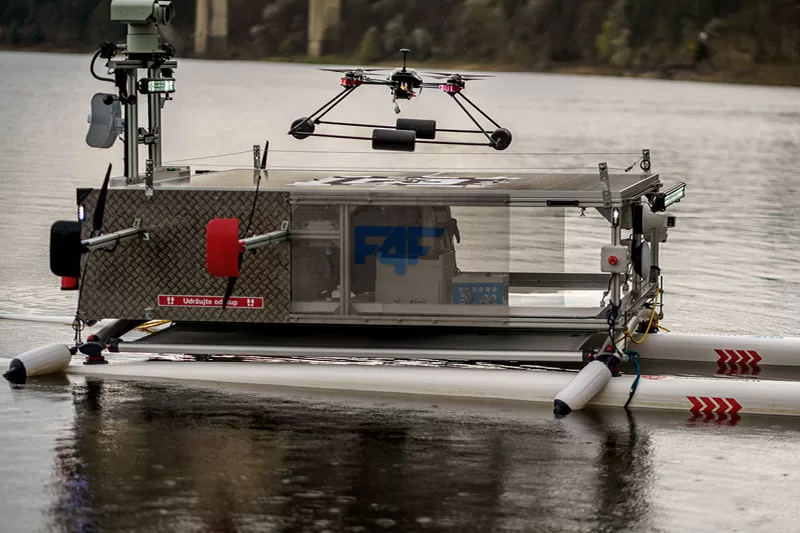
Autonomous Drones Landing on Moving Vehicles
A unique solution designed for perception, control and trajectory planning enabling drones to precisely land on moving vehicles.
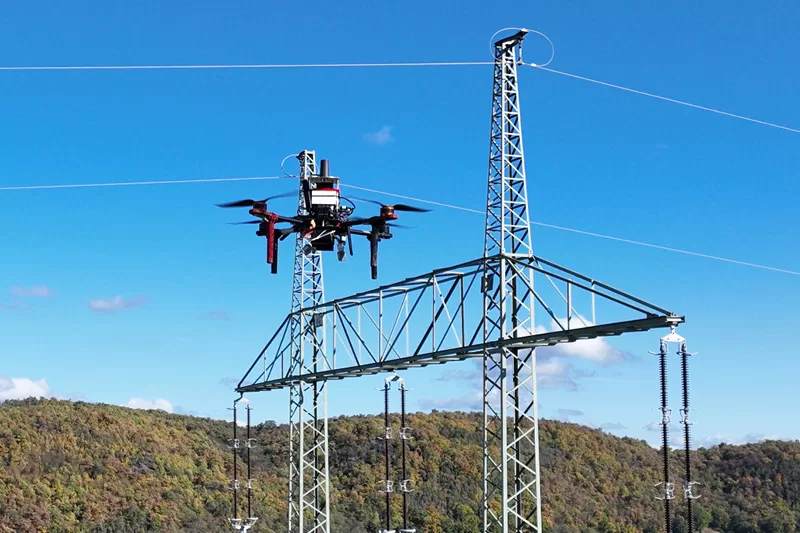
Drones for Inspection of Power Lines

Radiation Detecting Drone
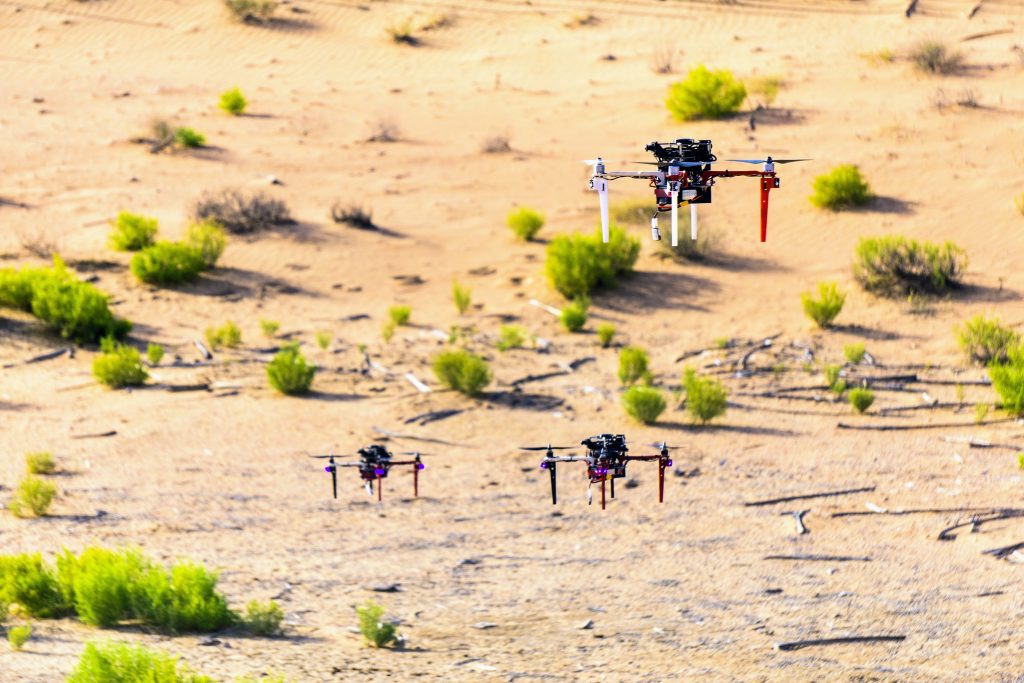
UAV Swarm for Desert Flight
A fully equipped research drone for multi-UAV (swarm) missions in harsh environments, such as deserts and forests.

AeroSTREAM
AeroSTREAM: Strengthening Research and Innovation Excellence in Autonomous Aerial Systems

AI Flying Robot for Safe Capture of Unauthorized Drones
EU co-funded project aiming to create AI-equipped flying robot for safe capture of unauthorized drones in protected space

Autonomous Air and Ground Robots

Autonomous Solar Park Maintenance
System for automated monitoring and maintenance of solar parks employing artificial intelligence and unmanned aerial platforms.
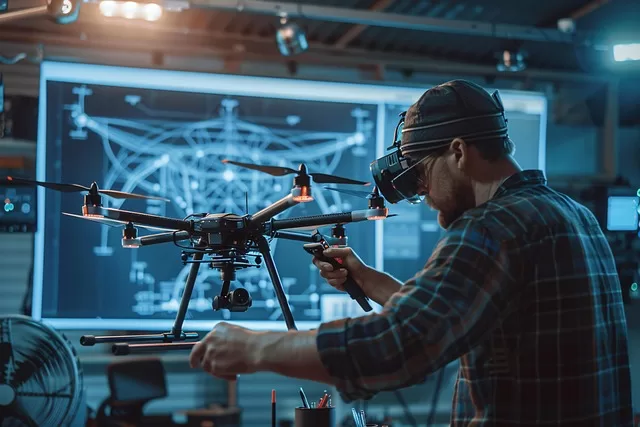
We Help You to Establish Flying Robots’ Research/Lab
From modular drones to tailored software and field-tested platforms, we help you build and scale your research in autonomous flying systems.
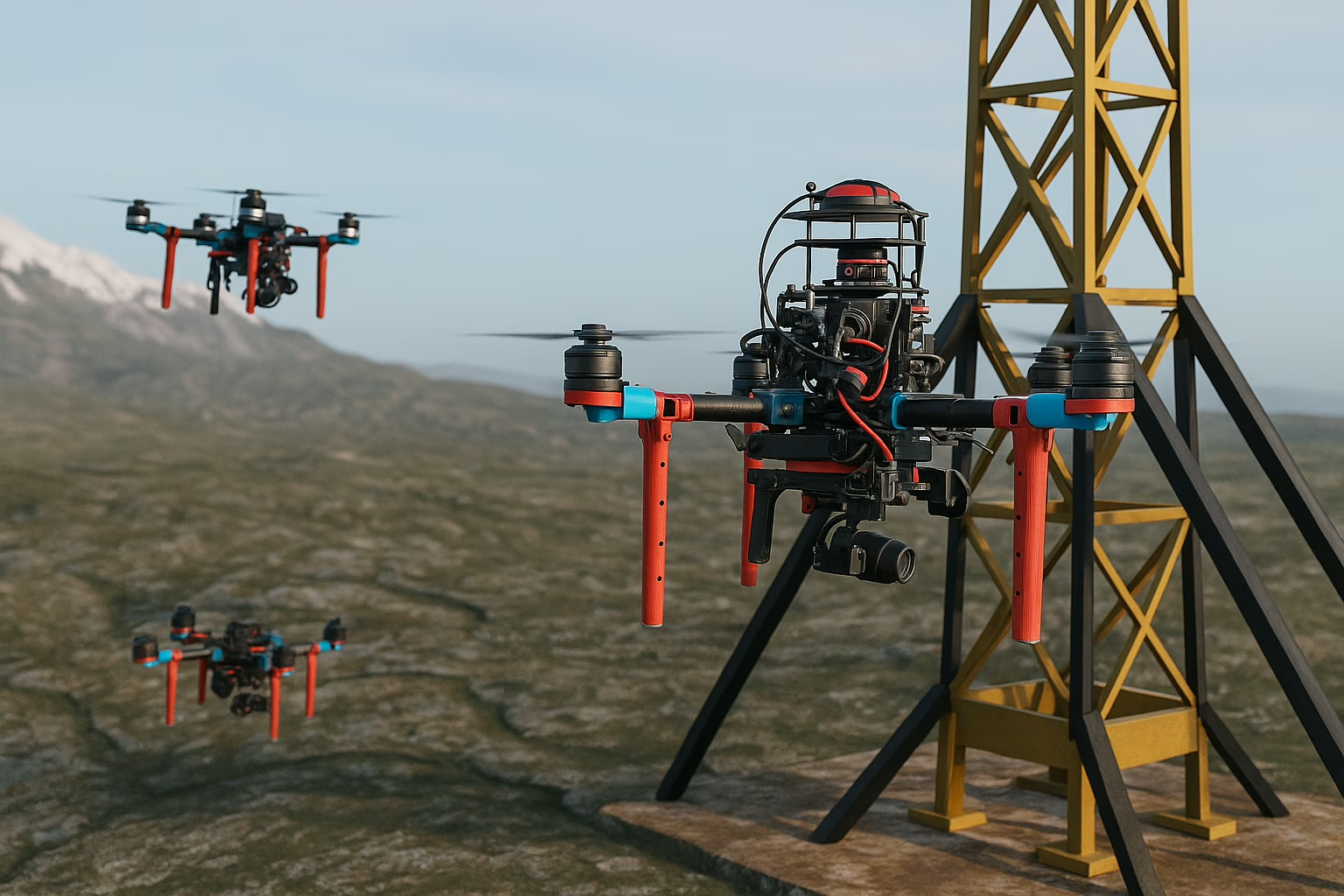
Multi-Robot Aerial System for Autonomous Surveillance and Inspection
Multi-robot aerial system for autonomous surveillance and inspection of large industrial complexes resistant to communication and GNSS signal failures.